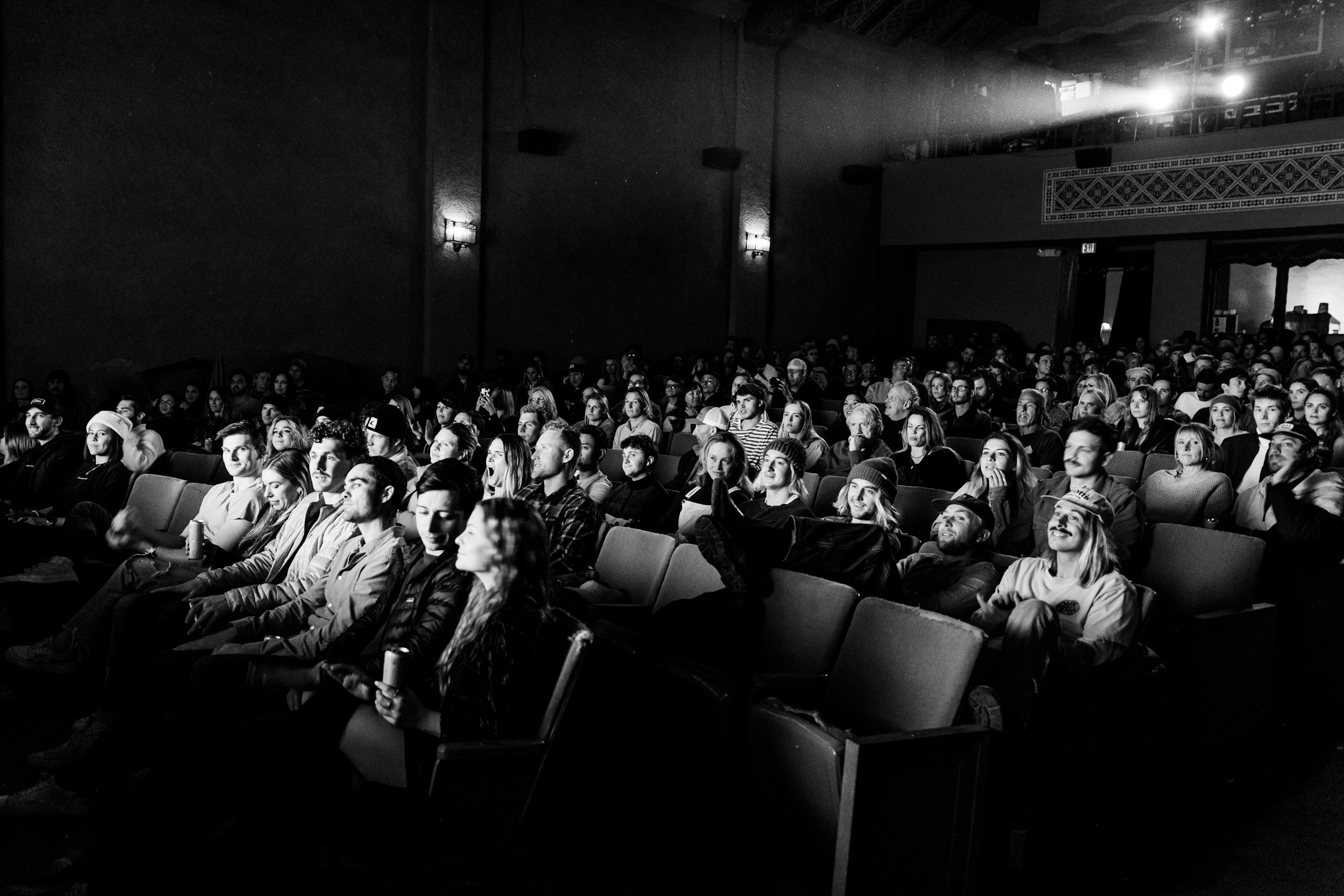
In July 1996, moviegoers across the country watched Will Smith punch an alien and quip, "Welcome to Earth," making Independence Day the blockbuster of the summer. Thirty years later to the month, the stock market has put on a blockbuster of its own--action-packed enough to make a mockery of the old adage, "Sell in May and go away."
Start with the obvious: Iran, which actually seems more like a "will they, won't they" romcom than blockbuster. But after stalled talks in June, conflict flared back up in July, and Brent crude went from a manageable $75 a barrel at the end of June to as high as $100 by late in July. The 10-year Treasury moved right along with it, climbing from 4.4% to over 4.7% over the same stretch.
Semiconductors got the worst of it. After a blistering 71% gain in Q2, the sector gave back more than 17% in July. That's not a typo — the same stocks carrying the market higher for three straight months turned into the thing dragging it down. AI infrastructure demand didn't disappear; investors just started demanding proof it was paying off instead of just promises that it eventually would.
Hyperscalers had the inverse experience--makes sense because they are the ones buying the chips. Microsoft dropped 17% in June on the same AI-overspend worries, then came roaring back 25% in July — more than recouping the prior month's losses. Amazon and Alphabet traced a milder version of the same round trip. Confidence in the AI buildout didn't leave the building; it just took a month off. But it's still too early to call the ultimate winners and losers.
Underneath all of that, a rotation that's been building all year picked up real speed. Through July, large-cap value is up 21%; large-cap growth is basically flat. The stocks that carried the market in 2023 and 2024 aren't the ones doing the heavy lifting anymore.
And then there's the new Fed chair, Kevin Warsh. He debuted at the end of July as a market villain when he gave his second FOMC press conference--the reviews were not good. He did little for investor confidence — contradictory, vague, and generally the kind of performance that leaves markets more uncertain than they were going in. In attempting to take focus off Fed actions, he put a giant spotlight on them.
But he's got competition for villain of the summer. Leopold Aschenbrenner, a 24 year-old German wunderkind who graduated from Columbia as valedictorian at 19, started a tragically named hedge fund called Situational Awareness in 2024. It had grown to around $45 billion at the beginning of July but plunged more than 67% when he was forced to unwind highly levered semiconductor positions. Granted, the fund is still up around 80% on the year, even after the July drawdown.
If this summer taught us anything, it's that you never know what's coming next. And while that may make summer blockbusters entertaining, it's what makes investing so hard. It's also what makes maintaining a diversified portfolio so important. It may never experience quick, moonshot returns, but it's a much smarter way to build wealth over the long-term.
__________
Josh Norris is an Investment Advisory Representative of LeFleur Financial. Josh can be reached at josh@lefleurfinancial.com.
Josh Norris, CPA, CFP, CFA is the managing member of LeFleur Financial, a wealth management and tax advisory firm.